
Welcome! I write books and software. I live in Berwick-upon-Tweed, England with my wife Harriet Smart who is also a novelist. In 2022 I published my first three Thomas Rufford Mysteries, set in a fictional northerly English town called Hawksbridge in Victorian times. My fourth came out in 2023, and I'm currently working on a fifth.
Do check out my books and software.
The Hawksbridge Angels e-book is available for free on Amazon, from 24th March to 28th March.
As an introduction to my fiction, you can download my free novella 'The Pits at Wolsington Castle' in Epub and audio book formats.
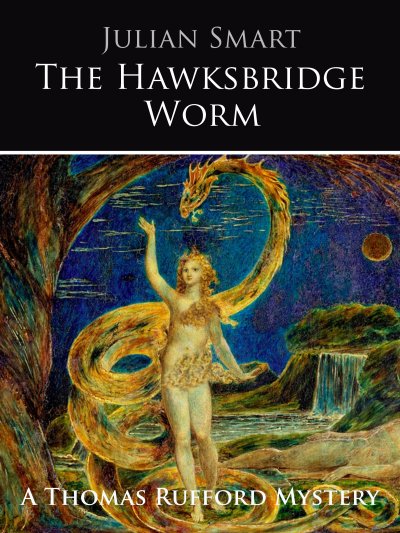
The Hawksbridge Worm is my latest novel in the Thomas Rufford series. When Thomas’ friend Francesca makes an unusual purchase and writes a play about a mythical beast, innocent theatrics turn lethal. Thomas and his wife Phyllis discover a young woman’s body in a stone circle – is there a mystical explanation, or an all too rational one?
A tragedy from the previous century also demands his attention. The deaths of three former residents of Hawksbridge are linked to Francesca’s new business, and these ghosts must be laid to rest. Along the way, Thomas must solve the riddles of a love-lorn rector, a notorious poet, and a fateful ruby.
Meanwhile, spectres from Thomas’ own past return to threaten his marriage and his future, after the unwelcome appearance of an old acquaintance and his sister.
 "Mysteries. Characters. Places and more! As good as it gets! I happily encourage anyone liking mystery series set in the 1800s to read this author.
I thoroughly enjoyed every bit of these books."
"Mysteries. Characters. Places and more! As good as it gets! I happily encourage anyone liking mystery series set in the 1800s to read this author.
I thoroughly enjoyed every bit of these books."
You can buy The Hawksbridge Worm from Amazon as an e-book or paperback.